
Compare Local Contractors for Residential Pest Control Services
Compare local contractors to define the scope, verify experience, and set clear expectations for effective residential pest control solutions.
Residential pest control services typically encompass a range of treatments aimed at managing common household pests such as ants, spiders, roaches, rodents, and termites. These services often include inspections to identify pest activity and entry points, targeted treatments to eliminate existing infestations, and preventative measures to reduce the likelihood of future problems. Some contractors may also offer ongoing maintenance plans or recommendations for habitat modification to help property owners maintain a pest-free environment over time. Understanding what specific services are included helps ensure that the scope of work aligns with the property's needs.
Defining the scope of pest control work is essential for setting clear expectations and ensuring effective results. A well-defined scope outlines the specific pests to be addressed, the areas to be treated, and any additional services such as sealing entry points or advising on sanitation practices. This clarity helps property owners communicate their priorities and avoid misunderstandings with contractors. It also provides a basis for evaluating whether a contractor's proposed approach covers all necessary aspects of the job, leading to more informed decisions when comparing local service providers.
When comparing local contractors for residential pest control, property owners should consider factors such as experience with similar properties, the range of services offered, and the thoroughness of their approach. Verifying the contractor’s reputation through reviews or references can provide insight into reliability and quality of work. It is also beneficial to review written proposals or scope of work to ensure all concerns are addressed and that expectations are clearly documented. By focusing on these practical aspects, property owners can make more informed choices when selecting a service provider who best fits their specific pest management needs.
Compare local contractors by outlining your pest control priorities, verifying experience, and clarifying scope in writing.
- Compare Service Providers - Review multiple local contractors to find the best match for residential pest control needs.
- Define Scope of Work - Clearly outline the pest issues and treatment expectations before engaging a service provider.
- Verify Experience and Expertise - Ensure contractors have relevant experience handling residential pest control for similar situations.
- Document Agreements in Writing - Confirm all service details, responsibilities, and expectations are documented to prevent misunderstandings.
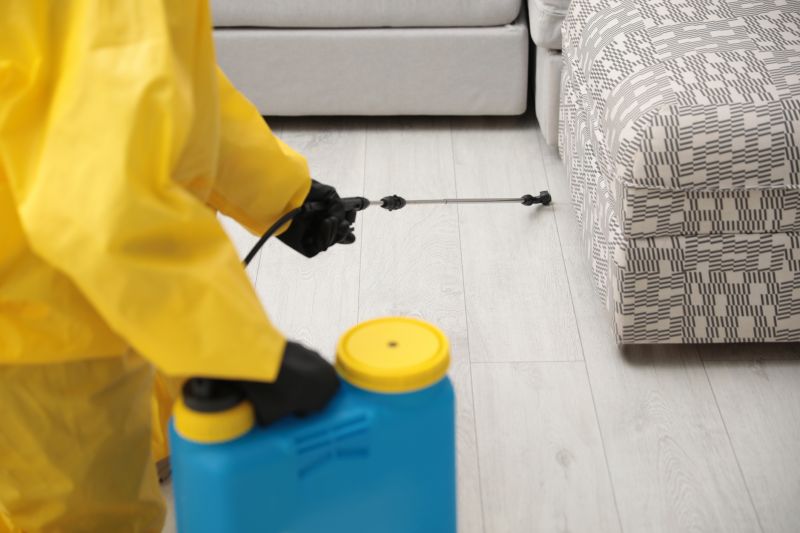
Clearly describing your pest control needs helps compare local contractors, verify experience, and set expectations effectively.
- Verify experience and expertise in residential pest control services to ensure the contractor understands common household pests. - Look for service providers who clearly define the scope of work and pest treatment methods in written agreements.
- Compare different local contractors to evaluate their service offerings and ensure they address specific pest issues effectively. - Confirm that the contractors have a proven track record with residential pest control through references or reviews.
- Check that the scope of work includes inspection, treatment, and follow-up procedures to manage pest infestations comprehensively. - Ensure that the service provider explains the treatment plan and any recommended follow-up actions in detail.
- Assess whether the contractor provides detailed written estimates outlining the services to be performed and expected outcomes. - Avoid contractors who are unwilling to put scope and expectations in writing.
- Determine if the service provider offers guarantees or warranties on pest control treatments to protect against recurring issues. - Be cautious of contractors who do not specify any guarantees or follow-up policies.
- Ensure the contractor is transparent about the methods used and avoids the use of harmful chemicals without proper disclosure. - Prioritize providers who clearly communicate their pest control techniques and safety considerations.
Compare local contractors, verify their experience, and clearly define your pest control scope in writing.

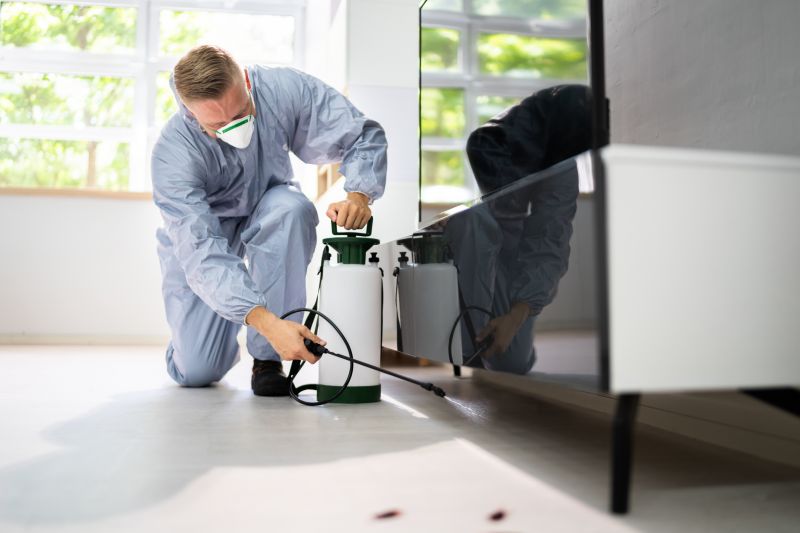
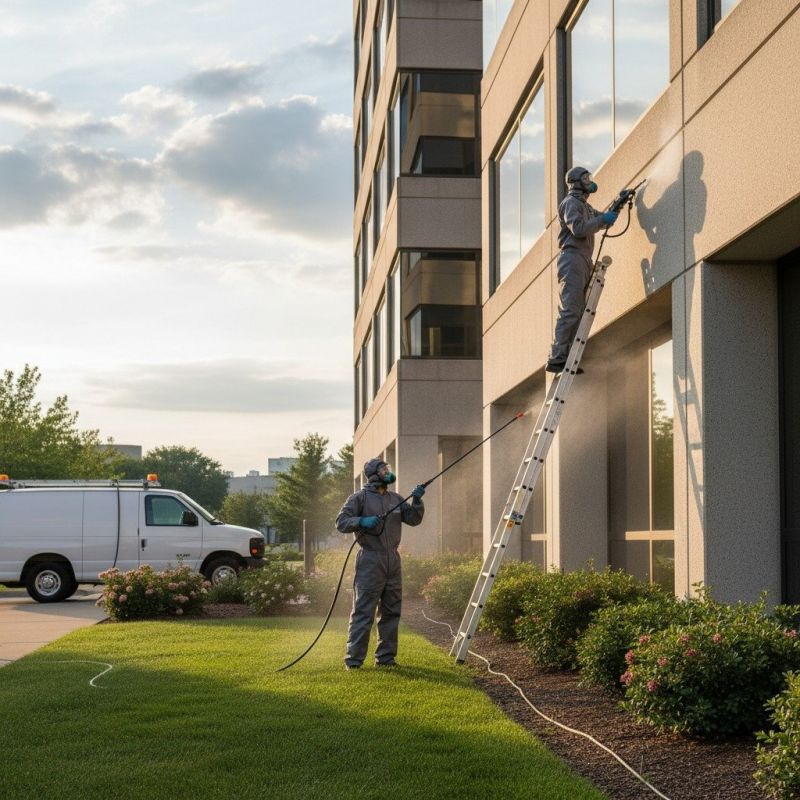
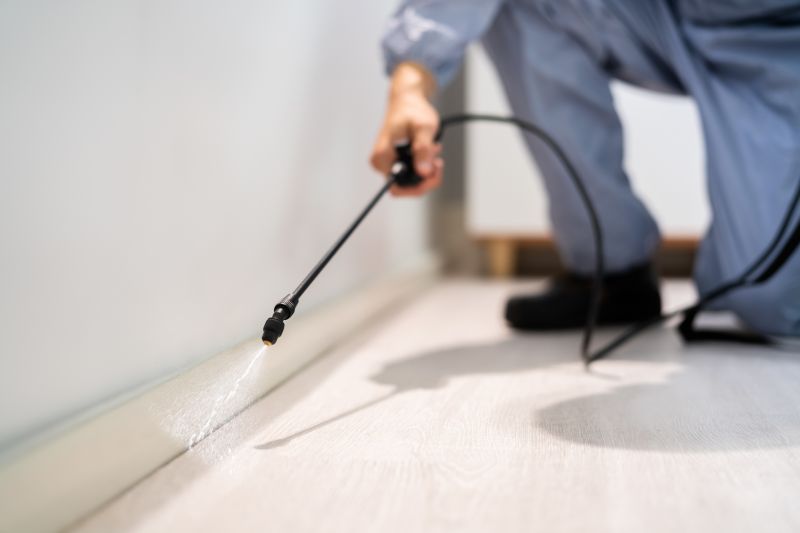
Use consistent scope definitions and verified experience details to accurately compare residential pest control contractors.
- Scope Definition - clearly outline the specific pest issues and areas to be treated within the residence.
- Experience Verification - confirm that service providers have relevant experience with residential pest control methods.
- Service Details - specify the pest control techniques, products, and procedures that will be used during treatment.
- Exclusions and Limitations - identify any treatments or areas that are not included in the scope of work.
- Written Agreement - ensure all scope details and expectations are documented in a formal service agreement.
When comparing residential pest control contractors, it is important to consider their experience with similar projects. Homeowners should inquire about the types of pests the service providers have handled and the methods they typically use. An experienced contractor will have a history of managing a variety of pest issues in residential settings, which can indicate familiarity with common challenges and effective solutions. This background can help ensure that the contractor understands the specific needs of a home environment and can tailor their approach accordingly.
A clear, written scope of work is essential when evaluating potential contractors. This document should outline the specific services to be provided, the areas of the property to be treated, and any follow-up procedures. Having a detailed scope helps prevent misunderstandings and provides a reference point for expectations. Homeowners should review the scope carefully to confirm it covers all concerns and aligns with their needs, ensuring there are no surprises once work begins.
Verification basics involve confirming that the service provider has a solid track record of completing similar projects successfully. While formal licensing and certification are not the focus here, homeowners can ask for references or testimonials from previous clients. Checking reviews and speaking with past customers can provide insights into the contractor’s reliability and quality of work. Additionally, verifying that the contractor adheres to industry standards and best practices can help ensure a professional and effective pest control service.
When evaluating options, homeowners should consider how well the service providers communicate and how thoroughly they explain their approach. It is beneficial to ask contractors to describe their treatment methods, the products they use, and any follow-up procedures in writing. Comparing these details helps ensure clarity and consistency across providers. By focusing on experience, scope, verification, and communication, homeowners can make informed decisions that lead to effective pest management tailored to their home’s needs.
Ask service providers to provide written scope details to ensure clear expectations and consistent pest control coverage.
- Scope of Services - What specific pest issues do the local contractors typically address and include in their service offerings?
- Experience and Expertise - How long have the service providers been handling residential pest control, and what types of pests have they managed successfully?
- Treatment Methods - What pest control techniques and products do the local contractors use, and how do they tailor treatments to different homes?
- Service Guarantee and Follow-up - Do the contractors provide written assurances of their work quality and follow-up procedures if pests return?
- Scope Clarification - How do the local service providers define the scope of work to ensure all pest concerns are addressed comprehensively?
How can I compare residential pest control contractors? To compare contractors, review their scope of services, verify their experience with similar pest issues, and check for clear written agreements outlining the work to be performed.
What should I consider when defining the scope of pest control services? Clearly identify the pests involved, the areas to be treated, and any specific concerns to ensure the contractor understands the expected work and can provide an accurate plan.
How can I verify a contractor’s experience with residential pest control? Ask for details about their previous work with similar pests and property types, and consider requesting references or examples of completed projects.
Why is it important to have a written agreement with a pest control contractor? A written agreement helps set clear expectations, outlines the scope of work, and provides a record of what is agreed upon, reducing misunderstandings.
What questions should I ask a contractor during the selection process? Inquire about their experience, the methods they use, the scope of services included, and how they handle specific pest issues relevant to your home.
How can I ensure the contractor’s approach aligns with my needs? Discuss your pest concerns in detail, review their proposed plan, and confirm that the scope of work matches your expectations before proceeding.
Understanding the key aspects of residential pest control contractors can help ensure the job is handled effectively. Visitors have learned how to compare local service providers by defining the scope of work, verifying experience, and setting clear expectations in writing. This approach empowers homeowners to make informed decisions when selecting a contractor suited to their specific needs.
Using the quote form allows homeowners to connect with local contractors who can handle pest control tasks professionally. By taking a few moments to compare options, individuals can find service providers that match their requirements and preferences, making the process of securing pest management services straightforward and efficient.