
Seasonal Pest Problems and How to Prevent Them
To prevent seasonal pest problems and how to prevent them, local contractors can provide effective treatments and advice tailored to your area's specific pest challenges.
Understanding seasonal pest problems and how to prevent them is essential for property owners looking to maintain a comfortable and pest-free environment throughout the year. As temperatures fluctuate and seasons change, different pests tend to become more active or seek shelter indoors, leading to potential infestations. Whether it’s ants in the spring, mosquitoes in summer, or rodents during colder months, knowing what to expect can help prevent these issues before they become a nuisance. Local contractors specializing in seasonal pest control are equipped to assess the specific risks faced in the area and provide practical solutions tailored to each season’s challenges, making it easier to protect homes and businesses year-round.
Exploring strategies for preventing seasonal pest problems is a smart step for property owners who want to minimize disruptions and avoid costly damages. From sealing entry points to managing outdoor spaces effectively, there are many proactive measures that can significantly reduce the likelihood of pests taking hold. Connecting with experienced local service providers can help identify the most effective prevention methods suited to local conditions and seasonal trends. With the right guidance and professional support, property owners can stay ahead of pest issues and enjoy a more comfortable, pest-free space regardless of the time of year.
- Seasonal Pest Control - local contractors provide targeted treatments to prevent common pests during peak seasons.
- Spring Pest Prevention - service providers help homeowners manage pest activity as temperatures rise and pests emerge.
- Summer Pest Management - local pros implement strategies to keep insects and rodents at bay during warmer months.
- Fall Pest Preparation - experts assist in reducing pest entry points before colder weather drives pests indoors.
- Winter Pest Defense - service providers offer solutions to prevent pests from seeking shelter inside during the cold season.
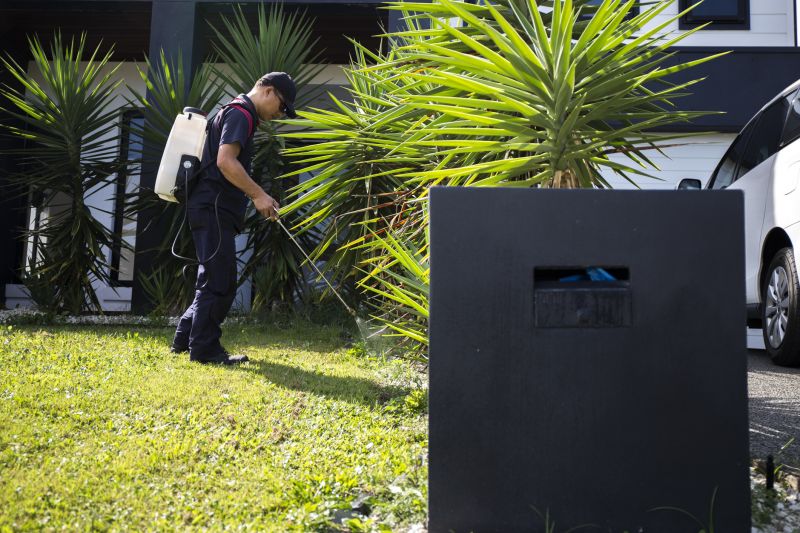
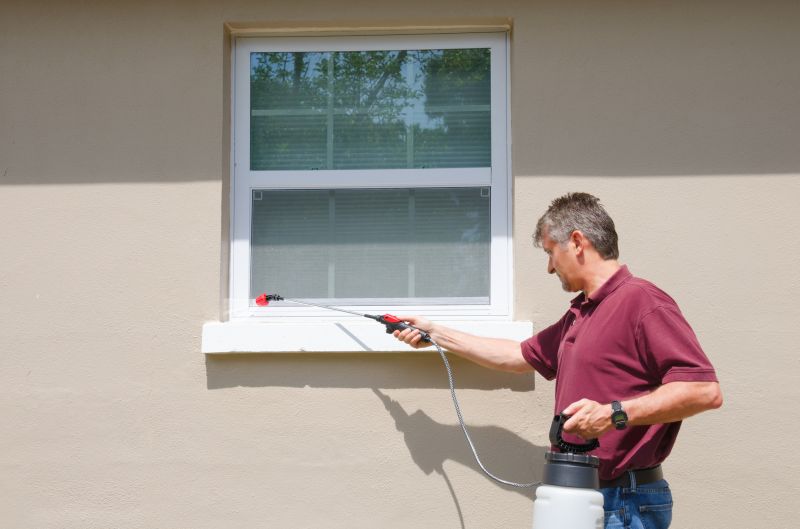
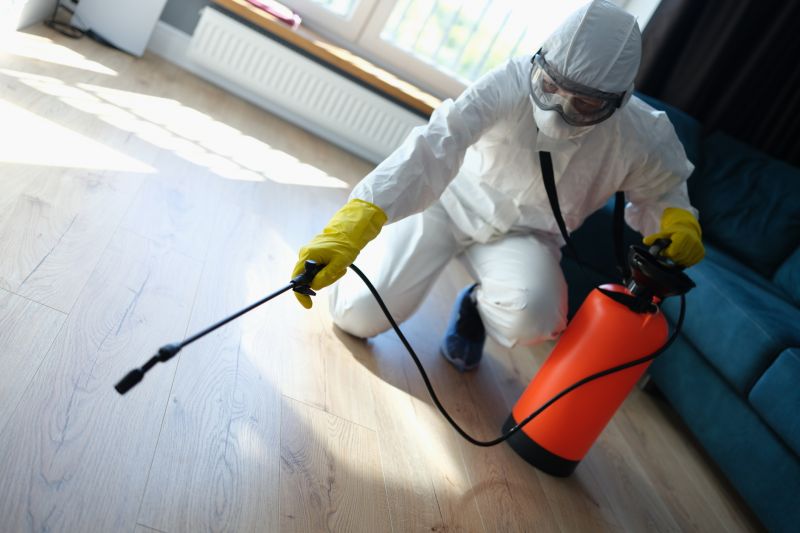
Seasonal pest problems and how to prevent them are common concerns for homeowners looking to maintain a comfortable and pest-free living space throughout the year. Many people search for this topic when they notice an increase in pests during specific times of the year, such as ants in the spring, mosquitoes in the summer, or rodents in the fall and winter. These seasonal shifts often bring about particular pest issues that require targeted prevention strategies. Understanding which pests are most active during each season helps homeowners plan effective measures, and local service providers specializing in seasonal pest control can assist with tailored treatments that align with these changing conditions.
Different types of pest problems tend to emerge based on the season, property type, and local climate. For example, during warmer months, outdoor pests like mosquitoes, ticks, and flies become more prevalent, often due to increased standing water and outdoor activity. In contrast, colder months may see rodents seeking shelter indoors, attracted by warmth and food sources. Residential properties such as single-family homes, townhouses, and multi-unit apartment complexes all face these seasonal challenges, though the specific pests and prevention methods can vary. Commercial properties, especially those with outdoor spaces or food storage, also encounter seasonal pest pressures that require proactive planning to avoid infestations.
Preventing seasonal pest problems involves a combination of property maintenance, habitat modification, and professional treatments. Homeowners can reduce pest attraction by eliminating standing water, sealing entry points, and managing yard debris that provides shelter. Seasonal pest control service providers can offer targeted treatments designed to address pests at their peak activity times, helping to prevent infestations before they start. These local pros understand the specific pest risks associated with different seasons and property types, making them valuable partners in developing a comprehensive prevention plan. Proper planning and timely interventions can significantly reduce the likelihood of pests becoming a problem during critical times of the year.
Overall, understanding seasonal pest problems and how to prevent them is essential for maintaining a pest-free home year-round. Homeowners should be aware of the pests most active during each season and take proactive steps to minimize their presence. Working with experienced local service providers ensures that prevention strategies are appropriately timed and effectively implemented, tailored to the unique needs of each property and season. By staying ahead of seasonal pest issues, homeowners can enjoy a more comfortable living environment and avoid the disruptions that infestations often cause.
Home sealing projects - local contractors can help identify and seal entry points to prevent pests from entering during seasonal pest problems and how to prevent them.
Gutter and drainage maintenance - ensuring proper drainage reduces moisture buildup that attracts pests, making it a common task for service providers addressing seasonal pest issues.
Yard cleanup and landscaping - removing debris and managing vegetation can minimize pest habitats, with local pros offering tailored solutions for seasonal pest problems.
Screen repair and installation - installing or fixing window and door screens helps keep pests out during peak seasons, a service often provided by local contractors.
Mosquito control services - local pros can implement targeted treatments and breeding site elimination to address seasonal pest problems related to mosquitoes.
Rodent proofing projects - securing homes against rodents during seasonal pest problems involves sealing entry points, a common service from local pest control specialists.

When evaluating local contractors for seasonal pest problems and how to prevent them, it is important to consider their experience with similar projects. Homeowners should inquire about how long a service provider has been handling seasonal pest control and whether they have worked with properties similar in size and type. An experienced contractor will understand the common pests associated with different seasons and be familiar with effective prevention strategies, helping ensure that the solutions offered are appropriate and effective for the specific needs of the home.
Clear, written expectations are essential when comparing service providers. Homeowners should seek detailed descriptions of what the pest control service will include, such as inspection procedures, treatment methods, and follow-up measures. Having this information in writing helps prevent misunderstandings and ensures that both parties agree on the scope of work. It also provides a basis for assessing whether a particular contractor’s approach aligns with the homeowner’s goals for pest prevention and seasonal control.
Reputable references and good communication are key indicators of a dependable service provider. Homeowners are encouraged to ask for references or reviews from previous clients who have had similar seasonal pest issues. This can provide insight into the contractor’s reliability and effectiveness. Additionally, a service provider who communicates clearly and promptly-whether through phone, email, or other channels-demonstrates professionalism and a willingness to address questions or concerns. These qualities can contribute to a smoother experience and greater confidence in the chosen contractor’s ability to manage seasonal pest problems effectively.
Property owners often search for seasonal pest problems and how to prevent them when they are planning practical projects around their homes and businesses. Local pros provide Seasonal Pest Control services for everyday jobs and straightforward project options.
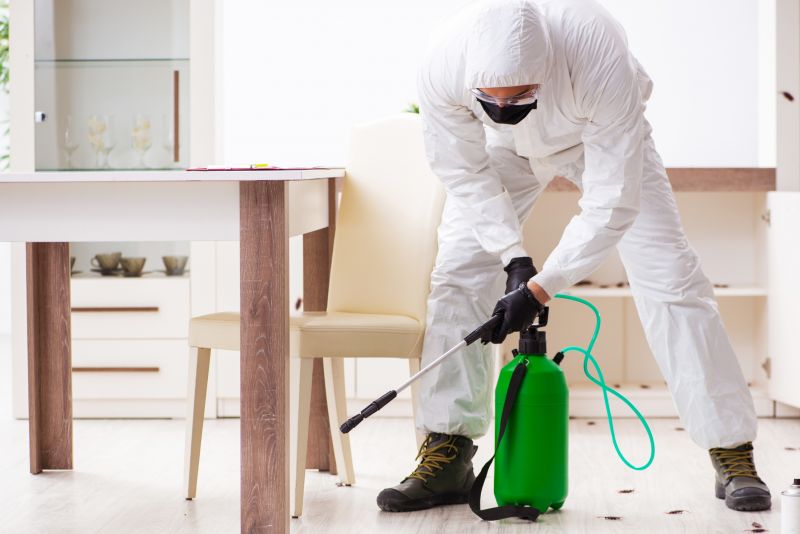
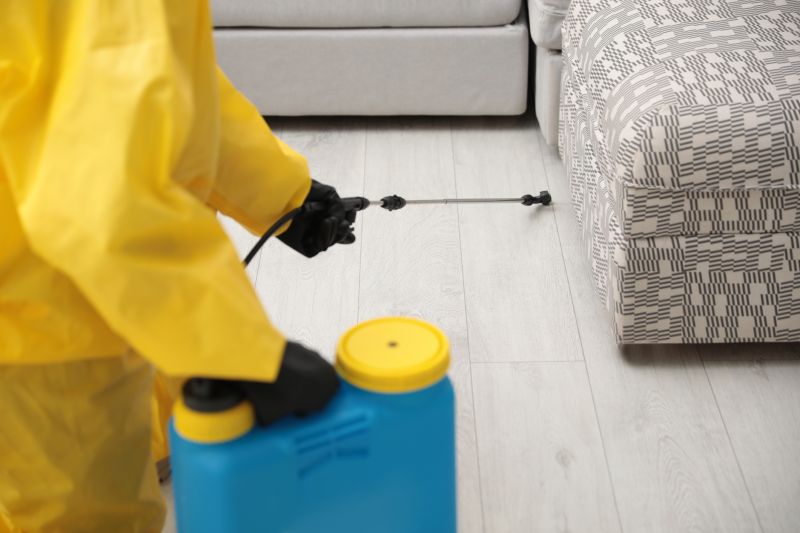
Seasonal pest problems and how to prevent them are common concerns for property owners looking to maintain a comfortable and pest-free environment throughout the year. As temperatures change, certain pests such as ants, spiders, or rodents tend to become more active, seeking shelter and food sources around homes and properties. Simple preventative measures, like sealing entry points and removing debris, can help reduce the likelihood of infestations. Many property owners turn to local contractors who specialize in seasonal pest control to address these issues effectively and keep pests at bay during peak times.
Understanding the seasonal patterns of pests can motivate property owners to seek professional assistance before problems escalate. Local service providers offer targeted treatments and advice tailored to specific seasonal challenges, helping to protect homes and outdoor spaces from unwanted guests. Connecting with experienced pest control experts can ensure that preventative measures are properly implemented, providing peace of mind and ongoing protection against common seasonal pest problems.
What are common seasonal pest problems and how do they occur? Seasonal pest problems often include insects like ants, mosquitoes, and termites that become active during specific times of the year due to changing weather conditions. Local contractors can identify which pests are prevalent in each season and provide targeted prevention strategies.
How can I prevent pests during seasonal changes? Preventing seasonal pests involves eliminating standing water, sealing entry points, and maintaining yard cleanliness. Local service providers can implement these measures and offer treatments tailored to seasonal pest activity.
When is the best time to schedule pest control for seasonal issues? The ideal time for pest control is typically before pests become most active in each season. Local pros can advise on optimal timing to help prevent infestations before they start.
What types of treatments do seasonal pest control services include? Seasonal pest control services often include barrier treatments, targeted insecticide applications, and exclusion techniques to keep pests out of the home. Local contractors can customize treatments based on the specific seasonal pest problems.
Are there specific signs that indicate seasonal pest problems are developing? Signs include visible pests, damage to plants or structures, and increased insect activity around the home. Local service providers can assess these signs and recommend appropriate preventative measures.
Identify seasonal pest entry points - property owners can inspect and seal gaps around windows, doors, and vents with help from local contractors to reduce pest invasions.
Implement yard cleanup routines - removing debris, leaves, and standing water can make outdoor areas less attractive to pests, with local pros offering guidance on effective landscaping practices.
Schedule seasonal pest treatments - professional pest control services can provide targeted treatments to prevent common pests during peak seasons.
Maintain proper storage practices - storing food, trash, and firewood securely can deter pests, and local service providers can advise on best storage solutions.
If you are thinking about seasonal pest problems and how to prevent them for a property, this guide is meant to help you understand this topic, the typical project types, and how different options might fit your plans.
When you are ready, you can use the quote form on this page to share a few details about your project. From there, local pros can review the basics and follow up with options that match what you have in mind.